
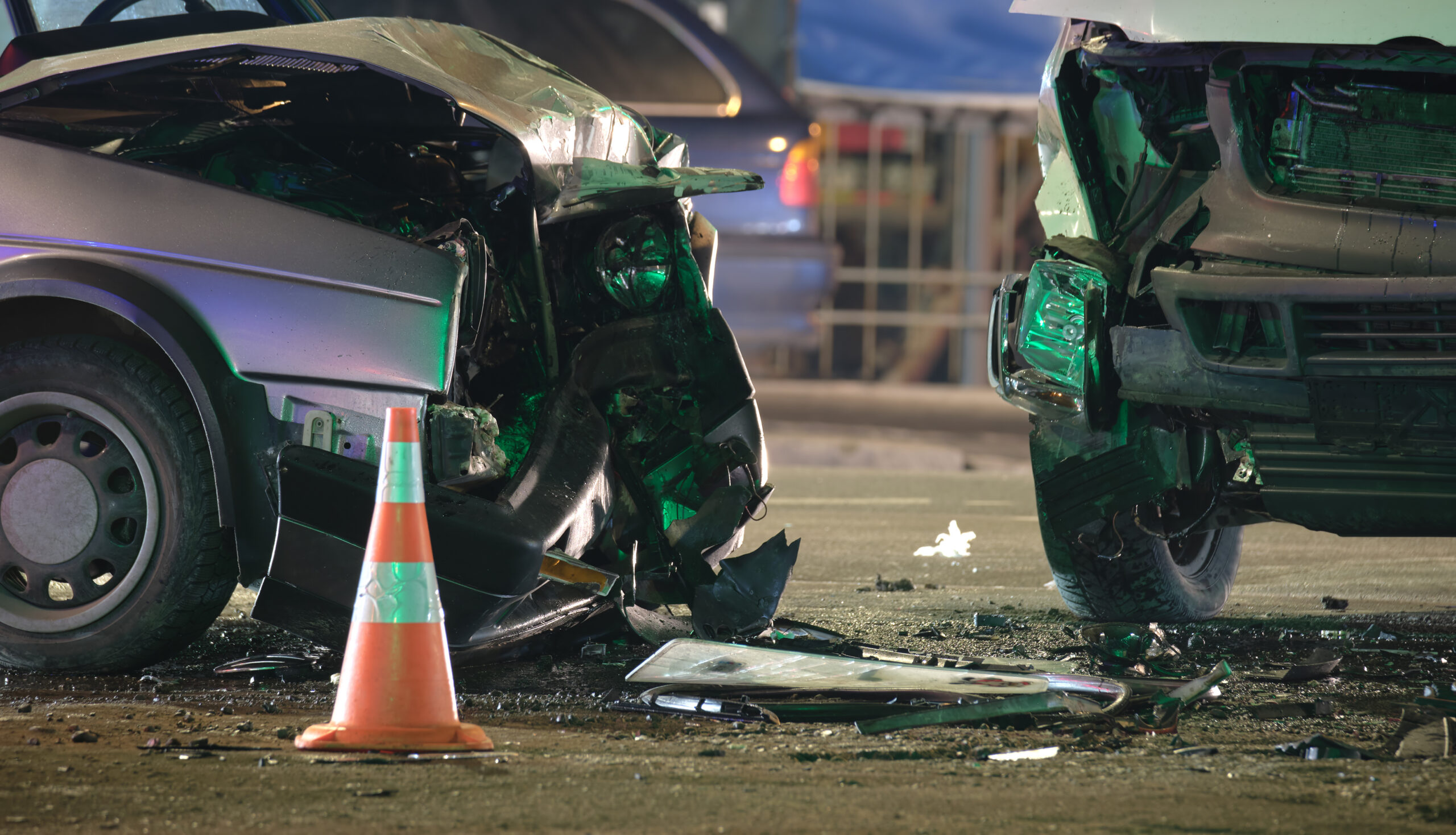
If you were in a collision with a company vehicle in Norwich, New London, or elsewhere in Eastern Connecticut, the big question is usually: Who is liable — and if someone is seriously injured, how is fair and reasonable compensation to be paid? The answer often involves more than the driver who hit you. Depending on how the business used the vehicle, you may have claims involving agency, vicarious liability, employer negligence and even special rules for rentals and leases (e.g., a rented vehicle being used by a business).
How Companies Use Vehicles for Business
Connecticut businesses use vehicles in several ways, and each one can change the analysis on who is responsible and where we look for buckets to cover damages:
- Company-owned vehicles and fleet vehicles: Many employers own and insure their own vehicles — trailer trucks, delivery vans, service trucks, or sales fleets. If an employee causes a crash while driving a company-owned vehicle in the course of work, the driver can be liable for negligence, and the employer may also be liable under agency principles, because the employee was acting for the employer.
Connecticut also has a statutory owner-operator presumption: which means in a civil case against a vehicle owner, the driver is presumed to be the owner’s agent, servant or employee and operating in the course of that agency, unless the defendant produces evidence to rebut that the driver was operating the vehicle as an agent, servant or employee. When the owner is a business, this presumption can be a major factor in finding buckets to fairly compensate a seriously injured person. - Company-provided cars, including leased vehicles: Some employers provide a company car as a benefit, which may be owned or leased. Liability still depends on certain facts: was the employee driving for a work purpose, under employer control, or “furthering” the employer’s business at the time of the crash?
- Employees using a personal vehicle for business: A surprisingly common scenario is an employee driving their own car for a work errand: meeting a client, picking up supplies, visiting a job site, or making deliveries. The fact that the vehicle is personal does not necessarily mean the employer is off the hook. If the employee was acting within the scope of employment, the employer may still face vicarious liability.
Insurance becomes a major issue here because the employee’s personal auto policy may not apply if the vehicle is being used for business purposes, and the employer’s commercial insurance policy may be the only source of recovery. - Companies renting vehicles for employees: Employers also rent cars for travel or temporary coverage — leasing a rental vehicle for a business purpose. You may need to investigate the employer and the benefits they receive because liability against the rental or leasing company is constrained by federal law in many circumstances.
The Liability Rules that Matter Most in Connecticut
Assessing driver liability is still step one. Connecticut is not a “no-fault” system for motor vehicle bodily injury claims meaning an injured party can maintain a claim as long as they can prove negligence and damages. Just because an injured party is partly at fault for a collision, does not bar recovery by that injured person. Connecticut has a rule of “comparative” negligence, which means that as long as an injured party is found 50% responsible or less, then that injured party can collect compensation for their losses.
Vicarious liability and scope of employment
The employer is not automatically responsible for every crash involving an employee. A Connecticut Supreme Court decision set the limits: where the driver was engaged in purely personal affairs (heading home for personal matters), judgment for municipal defendants was affirmed because the driver was not acting within the scope of employment. That same “scope” analysis can appear in private-employer cases.
Owner presumption in motor vehicle cases
Connecticut has a statutory owner-operator presumption: which means in a civil case against a vehicle owner, the driver is presumed to be the owner’s agent, servant or employee and operating in the course of that agency, unless the defendant produces evidence to rebuts that the driver was operating the vehicle as an agent, servant or employee.
Employer negligence beyond vicarious liability.
Even when an employer disputes that the driver is an agent of the owner, an experienced trial lawyer should explore direct negligence theories, such as negligent hiring or negligent entrustment — especially if the employer ignored red flags, failed to supervise, permitted unsafe driving practices, or failed to maintain vehicles.
Quick Comparison Table (Liability + Insurance)
The practical question after a crash in Norwich, New London, or Eastern Connecticut is usually: “Who can be named, and whose insurance is likely to apply?” The table below is designed for an injured person evaluating liability, insurance policies, and likely settlement dynamics.
| Situation | Who May be Liable? | Insurance to Check | Key Point |
| Employee driving a company-owned vehicle for work | Driver + employer | Commercial auto policy | Connecticut law gives plaintiffs a presumption that the driver of the owner’s vehicle was acting as the owner’s agent, unless rebutted. |
| Employee driving a company car but on a personal errand | Driver, and maybe employer | Company policy, personal policy, UM/UIM | Employer liability depends on whether the driver was acting for work or on a purely personal mission. |
| Employee using a personal vehicle for business | Driver + possibly employer | Personal auto policy, employer non-owned auto coverage | The employer can still face liability if the trip was for company business, even if the car was not company-owned. |
| Employee in a rental vehicle for work | Driver + possibly employer | Rental coverage, commercial auto, hired auto coverage | Federal law usually blocks claims against the rental company based only on ownership. |
| Serious injuries and low policy limits | Driver, employer, UM/UIM carrier | Liability coverage + UM/UIM | Connecticut requires minimum liability limits and UM/UIM coverage, but those limits may still be too low in a major crash. |
Company Policies that Can Affect Your Claim
Company driving rules matter because they help show what the employer expects and controls. Safety agencies consistently recommend written policies and enforcement. OSHA provides employer-oriented guidance emphasizing hiring capable drivers, limiting hours behind the wheel and who may drive for work, training/supervising drivers, and maintaining vehicles.
If the crash involved distraction (phone use, texting), an employer should have policies prohibiting distracted driving during work.
In litigation, these policies can support arguments that the employer failed in supervision/training or can also be used by the defense to argue the employee violated rules and stepped outside the scope, so the facts matter.
Insurance Issues that Shape the Settlement
Minimum limits are too low for serious injuries. Connecticut’s financial responsibility statute mandates only $25,000/$50,000 bodily injury and $25,000 property damage thresholds—numbers that may not cover hospital care and long-term treatment after severe injuries. This is why investigating other theories is crucial, to find buckets to fully compensate a seriously injured person
Commercial auto insurance and umbrellas can apply to provide compensation for serious injuries
When a company vehicle crash is truly work-related, there may be higher commercial liability limits (and sometimes umbrella coverage).
UM/UIM can matter even in company-vehicle crashes
Connecticut mandates UM/UIM coverage in auto liability policies, and Connecticut regulations define minimum provisions for that protection. Connecticut also has a statute addressing UM/UIM claims practices. Many times this coverage is the only remedy for seriously injured people. Having a trial lawyer experienced in the nuances of UM/UIM coverage can make the difference between being fairly compensated or not.
Rental and lease coverage disputes
Rental contracts and business policies can have overlapping provisions. Whether the rental company’s coverage is primary, whether the employer’s hired-auto coverage applies, and whether the driver’s personal policy contributes depend on contract and policy language.
Settlement Paperwork in Connecticut
If you accept a settlement from the employee-driver’s insurer and sign a broad release, Connecticut law can treat that as releasing the employer if the employer’s liability is purely derivative (respondeat superior). This is a major reason to hire an experienced trial attorney to examine releases cautiously when a company may be a target defendant.
What to Do After You’re Hit by a Company Vehicle in Norwich or New London County
Documenting a business connection can turn a “two-car crash” into a case with bigger buckets of recovery if the injuries and losses dictate a larger recovery. Practical steps which should be done by a reasonable trial attorney include: getting the driver’s employer name (if any), photographing vehicle markings, requesting the police report, identifying the registered owner(s), preserving “black box” information and medical/wage documentation. If insurance amounts are limited or fault is disputed, there are other factors which must be explored. If insurance for the responsible party is limited, then an experienced trial attorney will look into other types of insurance, such as uninsured or underinsured motorist coverage, which is something found in an injured person’s automobile policy to protect that person in case someone with inadequate insurance causes harm.
If you were injured in Eastern Connecticut — including Norwich and New London — by a company vehicle, the right liability answer depends on how the vehicle was being used, who owned it, and the facts and circumstances of where it was being driven. A careful investigation can uncover employer coverage, clarify vicarious liability, and improve the odds of a fair and reasonable resolution.
Let’s discuss your case
If you or a loved one have been involved in a commercial truck accident, the attorneys at Anderson Trial Lawyers are here to assist you and your family. You can make an appointment by using our contact form or calling us at 860.886.8845.




