
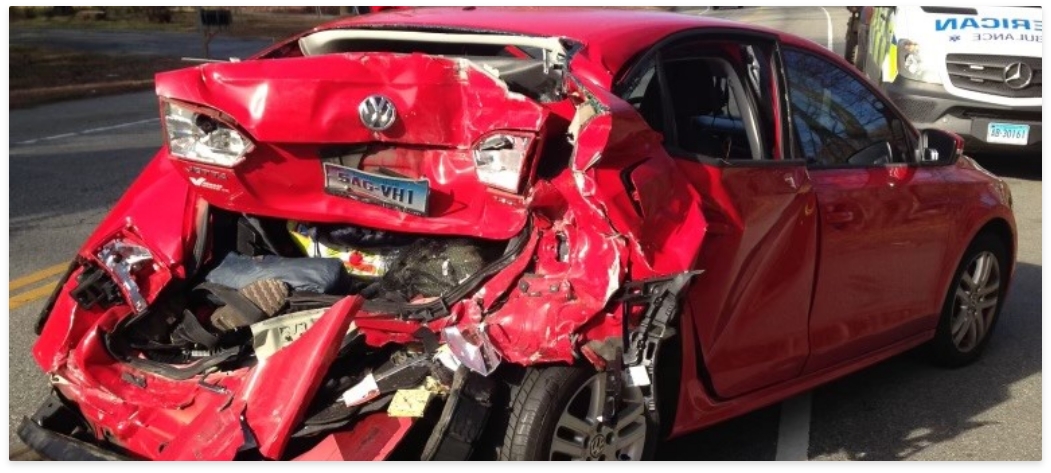
If you’ve been involved in a rear-end accident in Connecticut, understanding your rights under state law is critical. A rear-end accident can leave you facing medical bills, vehicle damage, and confusing insurance questions. This article explains how fault is assessed, what compensation may be available, and the exact steps to take after a collision, with clear, Connecticut-specific guidance for drivers in Norwich, New London County, and throughout Connecticut.
Is the Rear Driver Always at Fault?
Not always. In Connecticut, there is a common-law presumption that the following driver is negligent in many rear-end crashes; however, this presumption is rebuttable and does not constitute an automatic statutory violation.
Connecticut state law targets tailgating by requiring a “reasonable and prudent” to follow another driver at a reasonable distance. Courts have clarified that this statute does not apply to every rear‑end accident. In other words, a rear‑end accident in New London County may trigger a presumption against the rear driver. Still, negligence as a matter of law arises only if a specific statute (like following too close) is actually violated based on the facts.
When the Front Driver May Share Fault (Norwich / New London County Examples)
Fault in a rear‑end accident in Norwich can be shared. Under Connecticut’s modified comparative negligence rule, each driver’s conduct is weighed:
- Sudden, unreasonable stops: A lead driver who stops abruptly without justification can share fault.
- Brake‑checking: Intentionally slamming brakes is illegal and negligent, but it doesn’t automatically absolve the rear driver; fault is apportioned between drivers.
- Vehicle defects: Non‑functioning brake lights can breach the duty to maintain brakes in good working order. This can significantly reduce or defeat the front driver’s recovery.
- Reversing/rollback: If a vehicle rolls back on a grade or reverses into another car in traffic, the front driver may be primarily at fault.
These scenarios are fact‑specific. A thorough investigation utilizing photos, witness statements, and sometimes dashcam footage or cameras from nearby businesses, often determines how liability is allocated.
Your Rights Under Connecticut Law
Connecticut follows modified comparative negligence rule
- This means if a plaintiff is 50% or less at fault, he/she can recover damages, reduced by the plaintiff’s percentage of fault.
- If a plaintiff is more than 50% at fault, he/she cannot recover from the other driver.
Recoverable damages include economic (medical bills, lost wages, property damage) and non‑economic (pain and suffering). Connecticut places no cap on pain‑and‑suffering damages. To be eligible, you must have documented damages. Remember, injuries can be latent. After a rear‑end accident in Eastern Connecticut, symptoms like whiplash or concussion may appear hours or days later, which is why prompt medical evaluation is crucial.
Police Reporting in Connecticut
Connecticut law requires that any motor vehicle accident involving injury, death, or property damage exceeding $1,000 be reported to law enforcement. That means a rear‑end accident in Norwich with a bumper repair estimate over $1,000 must be reported, even if no one appears injured at the scene. Failing to report when required violates state law.
Likelihood of Recovery Based on Assessed Fault (Connecticut’s 51% Rule)
The table below reflects how recovery typically works after a rear‑end accident in Norwich under Connecticut law:
| Scenario | Assessed Fault (%) | Likelihood and Type of Recovery |
| Stopped at a traffic light in New London and rear‑ended by a distracted driver; documented injuries. | 0% | Full recovery of economic and non‑economic damages. |
| Rear‑ended in Willimantic, but your brake lights weren’t working; both drivers share fault. | 20% | Partial recovery; total damages reduced by 20%. |
| You stopped suddenly without reason; the rear driver was also distracted on I‑395 near Norwich. | 50% | Partial recovery; you may recover 50% of total damages. |
| You intentionally brake‑checked a tailgater on Route 32 in Montville, causing the crash. | More than 50% | No recovery; barred by Connecticut’s comparative negligence rule. |
| Minor fender‑bender in Groton with no immediate symptoms and no property damage. | N/A | No personal injury recovery at this time; a claim requires documented damages, which may be diagnosed later. |
Steps to Take After a Rear‑End Accident in Eastern Connecticut
- Seek Safety & Call 911: Move to a safe location. If anyone is injured or property damage is likely to exceed $1,000, a police report is required by law.
- Seek Medical Care: Even if you feel okay, still get evaluated. Early records help document latent injuries from a rear‑end accident.
- Exchange Information: Obtain the names, contact details, insurance information, and license plate numbers for all drivers involved.
- Document the Scene: Photograph vehicle positions, damage, road conditions, and signals. Preserve dashcam footage if available.
- Avoid Admissions: Keep statements factual; don’t speculate about fault at the scene.
- Notify Your Insurer Promptly: This is a contractual duty; delays can affect first‑party coverage.
- Consult a Trusted Connecticut Attorney: An experienced lawyer serving Norwich and New London County can gather evidence, manage insurers, and help maximize recovery while you focus on treatment.
After a rear-end accident in Connecticut, the law provides strong protections for injured victims; however, outcomes depend on the evidence and fault percentages. Timely medical care, proper reporting, and guidance from a trusted, experienced trial attorney in New London County can make a difference in your case.




